 Detune
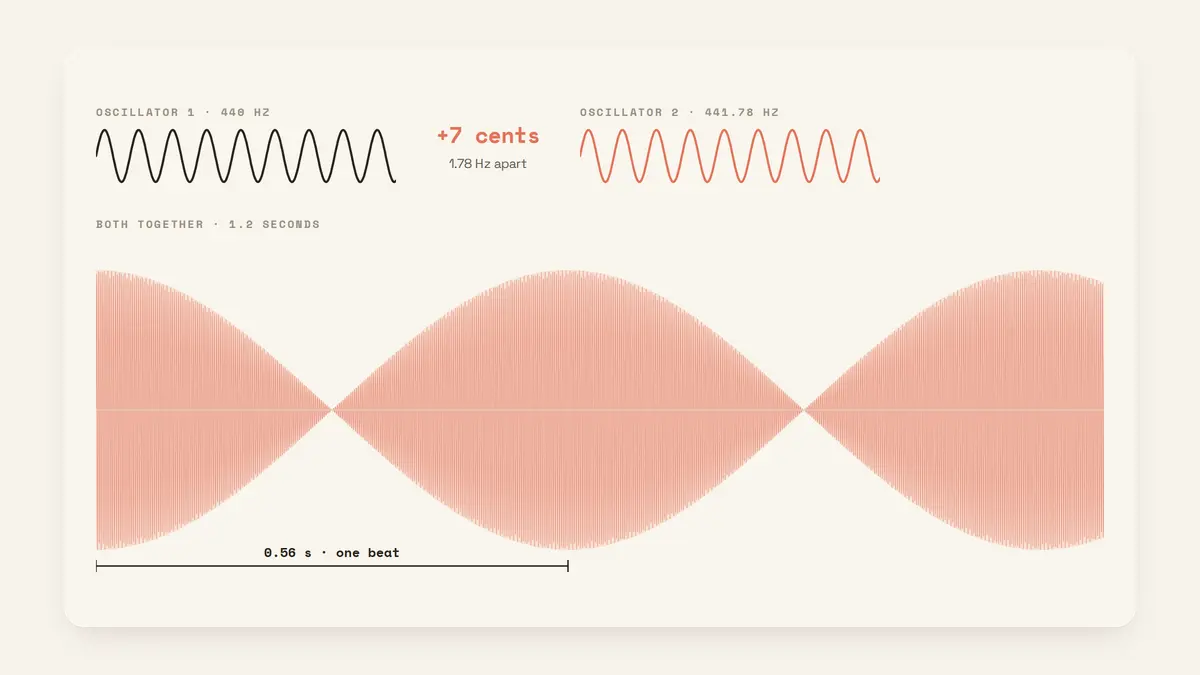
What Is Detune?
Detune means shifting one sound a few cents off another so the two beat against each other. How much is too much, and where you have heard it before.
Sound design, music theory for producers, and the tools worth your time — written the way Detune teaches: by ear, with your hands on the controls.
Detune means shifting one sound a few cents off another so the two beat against each other. How much is too much, and where you have heard it before.
Mac or iPhone: start with GarageBand, free and installed. Windows: Cakewalk Sonar or the FL Studio trial. Real prices for each option, and what to buy later.
GarageBand is free and already on your Mac or iPhone. FL Studio is $99 to $449 once, on Windows and Mac. Costs, where GarageBand stops, and when to move.
FL Studio is $99 to $449 once with every update free. Ableton Live is $99 to $749 with paid major versions. Editions, workflow and where each wins.
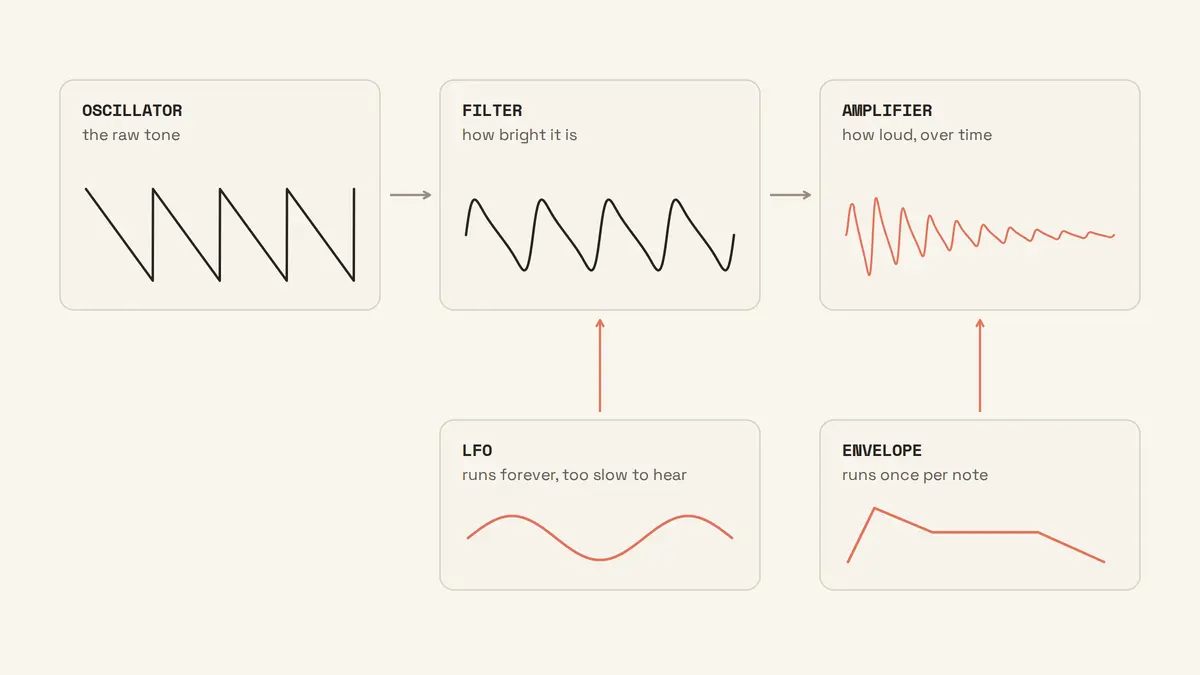
A synth makes a tone with an oscillator, shapes its brightness with a filter and its volume with an envelope. Three controls, and three sounds built from them.
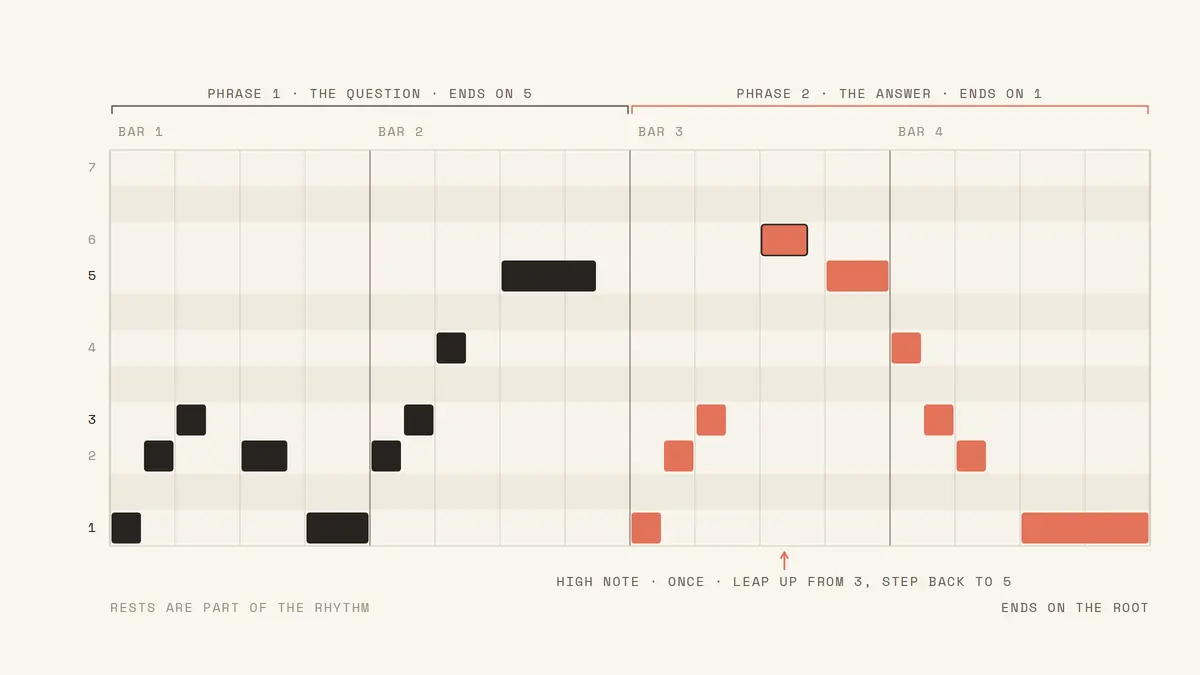
Rhythm first on one note, then pitches from the scale: move by steps, leap once, high note in the second half, end on the root. Written for a piano roll.
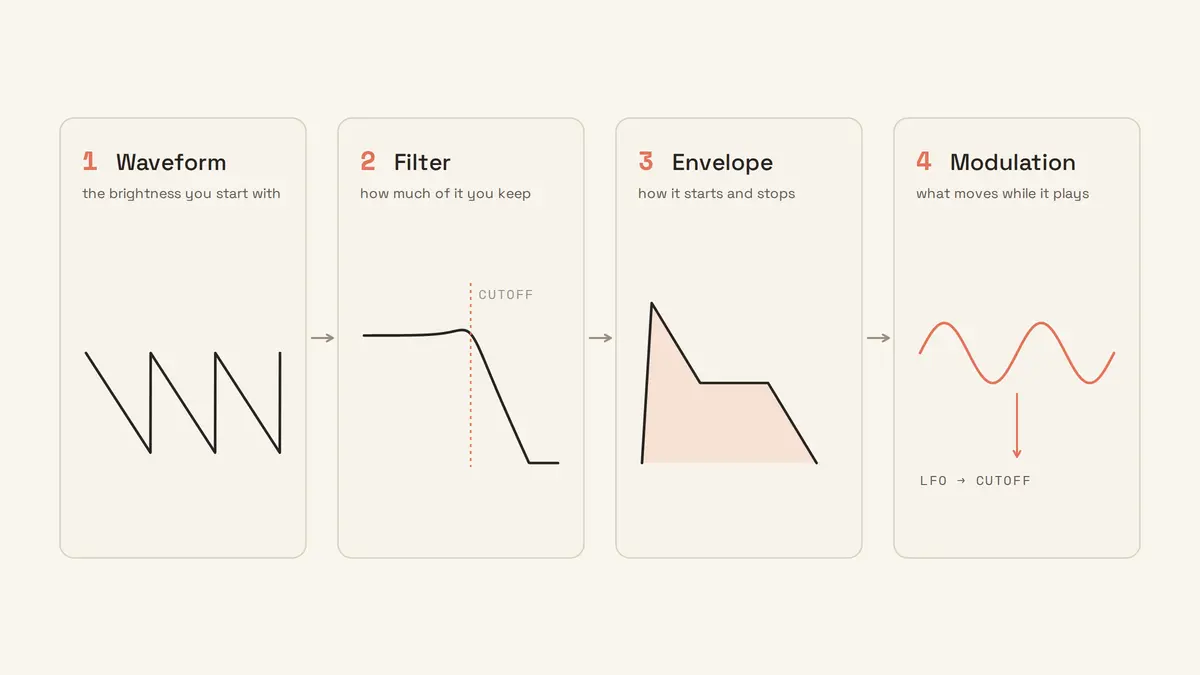
Sound design is four moves in order: waveform, filter, envelope, modulation. A method for any synth, three sounds built with it, and how to practise.
Vital, Surge XT and Dexed compared on what each is, what the free tier includes and where it stops, plus the synth Mac owners already have. Checked Sept 2026.
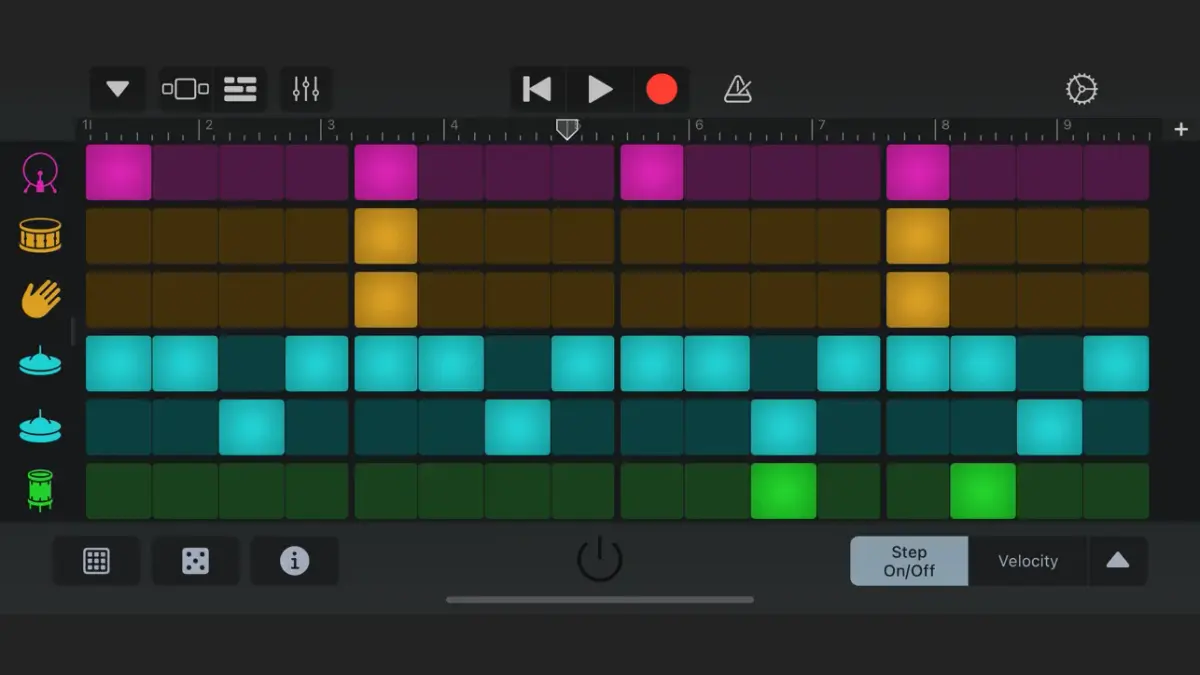
Set a tempo, open the Beat Sequencer, tap in a kick, snare and hi-hat, then add bass, chords and an arrangement. Real settings, on iPhone and Mac.
Logic Pro is $199.99, Mac only, Apple silicon only. FL Studio runs on both platforms with lifetime updates. Prices, editions and workflow, checked Sept 2026.
Udio, ElevenLabs Music, Soundraw, AIVA and Stable Audio compared on what each does well, what it costs and what you can do with the output. Checked Sept 2026.
Over a hundred music production terms, each defined in a sentence with a note on when you would reach for it. Synthesis, effects, theory, mixing and gear.
Producers need four things from music theory (scales, chords, progressions, rhythm) and can skip the rest. What each one is, with examples you can use tonight.
An arpeggiator plays the notes of a chord you hold one at a time, in a pattern, at a rate you set. Each control explained, and how it differs from a sequencer.